

Our Work Packages
SHAPE is an innovation ecosystem bringing together industry, research, technology, and innovation partners to drive systemic change in manufacturing.
Our work packages create the foundation for cross-sector collaboration and co-innovation from materials and circular solutions to intelligent manufacturing, remanufacturing, repair, refurbishment, and data-driven industrial processes. Together, we develop, pilot, and scale new solutions and business concepts.
If your organisation wants to contribute, we invite you to join the SHAPE ecosystem and explore opportunities for collaboration.
-

WP1 Boosting Circularity
In this work package, the focus is on linking value chains to close resource cycles by strengthening circularity practices and developing new innovative approaches.
The objectives are to explore the potential of the circular economy surface finishing solutions, strengthen the circular use of materials across relevant manufacturing and construction value chains, and develop circular technologies that turn unavoidable process waste into valuable resources. In addition, the work package assesses emerging recycling approaches and circular business models.
-

WP2 Sustainable Materials
Moving beyond ecodesign, the focus of this work package is on understanding the environmental impacts of materials and increasing the use of alternative raw materials.
The objectives are to explore new bio‑based materials and increased use of recycled materials across the entire value chain. In addition, the work package addresses the development of concepts and business models that create value from waste streams, such as turning dust from a cost and health issue into business potential.
-
WP3 Repair, Refurbish and Remanufacture
Prolonging product life through repair, refurbishing, and remanufacturing is addressed in this work package. This is supported through test beds, piloting activities, an innovation lab, and a start‑up incubator.
The objectives are to utilize innovative surface finishing technologies to support remanufacturing and refurbishing through surface restoration and design for refurbishability, explore future surfaces and coatings, build know‑how and functional models for interaction simulations, and develop finishing solutions for new materials such as biomaterials and recycled materials, in combination with new business models.
-
WP4 Intelligence throughout Value Chains
In this work package, data‑driven value creation is addressed through IoT‑based intelligent automation and digital optimisation. The focus is on supporting future-proof processes using connected data together with analytics, artificial intelligence, and machine learning.
The objectives are to measure and model environmental impacts across the value chain and to develop an IoT‑based, data‑driven approach for assessing footprints and handprints in manufacturing, supporting the design and optimisation of future-proof processes.
-

WP5 Ecosystem Leadership And Shaping The Transition
Through coordination, transparent governance, and active collaboration, this work package forms a strategic foundation for effective delivery and long‑term impact.
The objectives are to support efficient project execution and implementation, promote active cooperation and clear communication across the ecosystem and with key external stakeholders, and strengthen and expand the SHAPE ecosystem. This includes engaging new partners, supporting ecosystem coordination, fostering a strong culture of collaboration, and enabling joint projects.
-
WP6 Engineered Recycled & Biobased Material Solutions
This work package focuses on the development of next‑generation materials. These include bio‑based composites, fibres, resins, and additively manufactured structures for demanding high‑performance applications.
The objectives are to explore and further develop new material systems for coated and bonded abrasive applications, with a focus on reducing dependence on fossil‑based inputs. Material performance, manufacturability, and key environmental, health, and end‑of‑life aspects are considered across the material lifecycle.
-
WP7 Regenerative Industrial Value Chains
In this work package, manufacturing value chains are supported in moving towards regenerative performance. By developing circular, resilient business models and piloting industrial practices the aim is to restore water, air, and soil while creating long‑term economic value.
The objectives are to validate and establish a regenerative industrial framework. This includes defining and validating handprint metrics that go beyond life‑cycle (social) assessment (LC(S)A) to capture net‑positive impacts on ecosystems and communities.
-
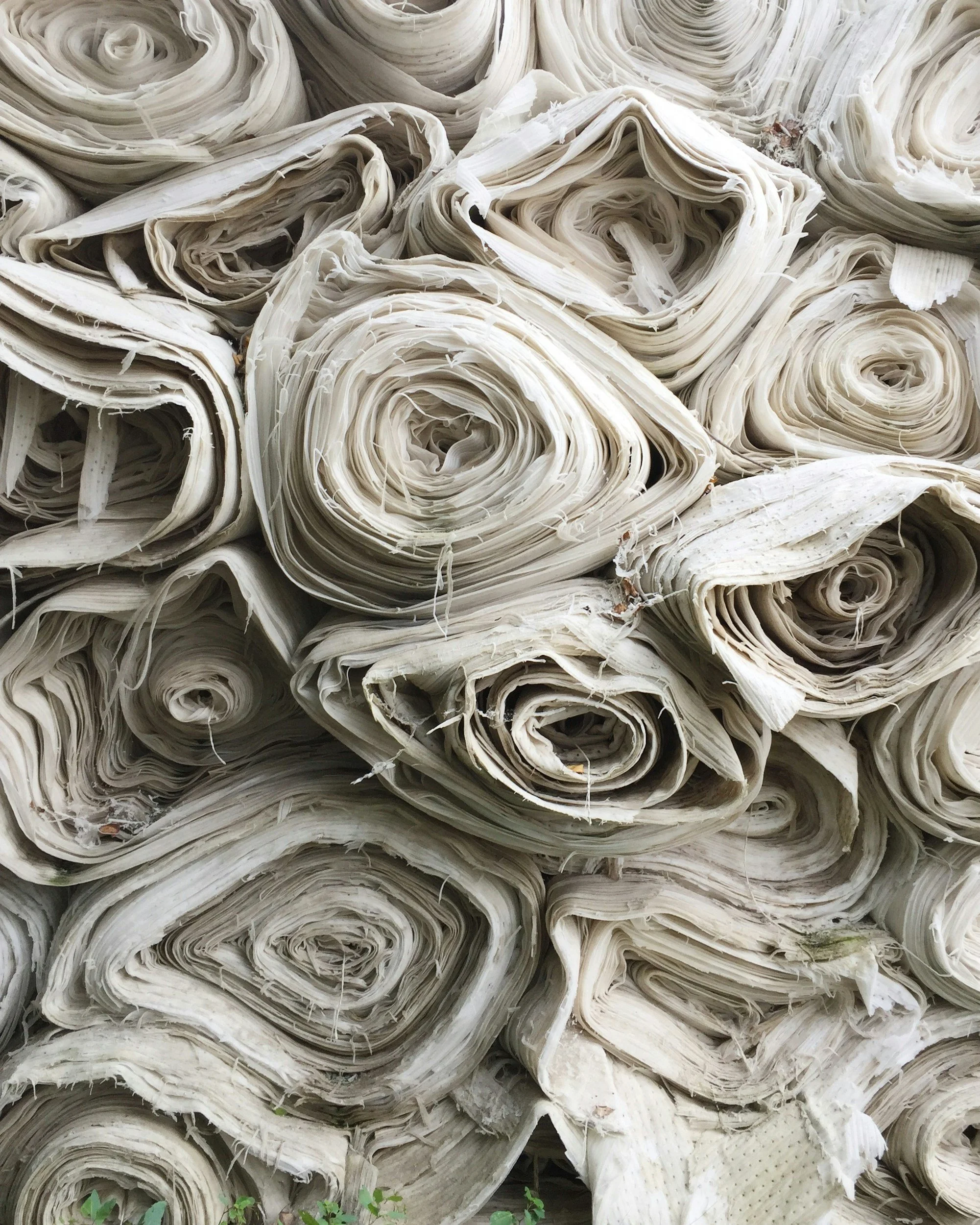
WP8 Recyclability of Technical Textiles
The focus of this work package is on advancing circularity in advanced textiles through the development of high‑quality fibre‑to‑fibre recycling for bio‑based and synthetic materials. The aim is to address the challenges of sorting and recycling complex textile structures and to support reverse logistics and business models that make circular textile value chains scalable.
The objectives are to develop recycling technologies, logistics solutions, and a complete ecosystem for complex industrial and technical textiles that are currently excluded from standard clothing recycling systems. The targeted materials include synthetic, bio‑based, and multi‑material textiles, often affected by industrial or chemical contamination.
-
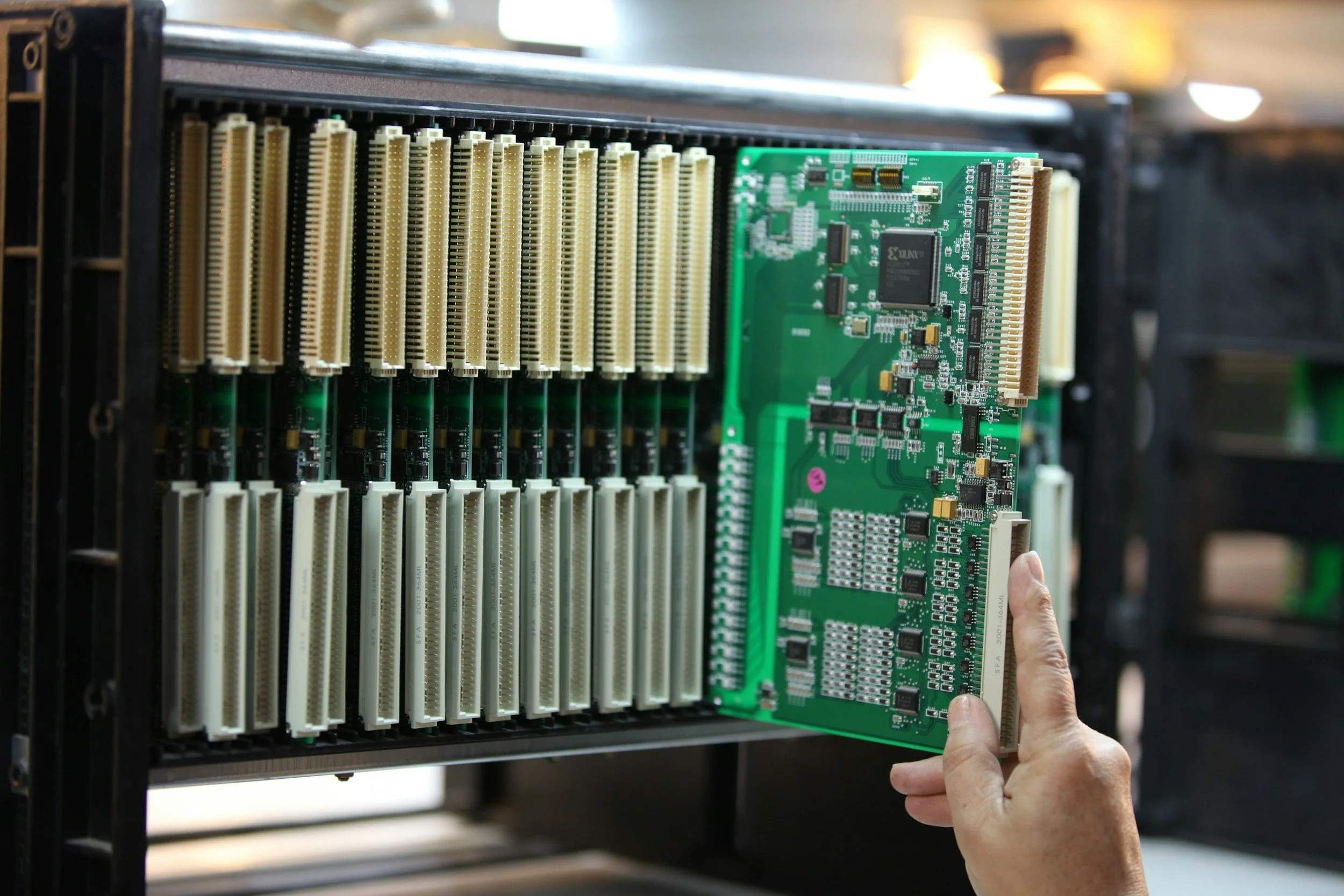
WP9 Process Optimization & Intelligent (Re)Manufacturing Systems
This work package focuses on accelerating data‑driven manufacturing and remanufacturing by using digital twins, virtual process optimisation, and automated inspection. The aim is to improve remanufacturing quality, extend product lifecycles, and support continuous industrial improvement through real‑time data and sensor connectivity.
The objectives are to deliver a proof‑of‑concept automated remanufacturing system and to deploy hardware‑in‑the‑loop (HIL) digital twins, including an energy twin. These will enable process optimisation, full traceability, and measurable quality assessment in industrial pilot environments.
-
WP10 Scalable (Re)Manufacturing Pilots & Business Models
This work package aims to translate circular manufacturing concepts into scalable industrial practice. By piloting new remanufacturing, reuse, and lifecycle‑extension business models, this work package addresses high‑mix, low‑volume challenges through automation and cross‑sector industrial pilots.
The objectives are to develop and validate scalable automation‑enabled and service‑based business models that make remanufacturing more efficient and profitable. Through industrial pilots, data‑driven workflows, and SME‑focused tools, the work package strives to deliver export‑ready models that strengthen Europe’s circular manufacturing industries.
-

WP11 Virtual design & AI Driven Innovation
In this work package the aim is to accelerate innovation by using advanced digital design, simulation, and artificial intelligence (AI). By developing virtual methods to design and test customized textiles, as well as complex 3D‑printed and coated‑abrasive structures, new ideas can be evaluated more quickly and efficiently.
The objectives are to develop and apply integrated digital and AI‑based toolchains that improve both the speed and reliability of the innovation process. In parallel, the work applies value‑driven, AI‑supported innovation methods to identify new opportunities and support the development of novel business models. This aims to ensure that technological advances are translated into clear, measurable value for industry and commercial applications.